Pickup Trucks
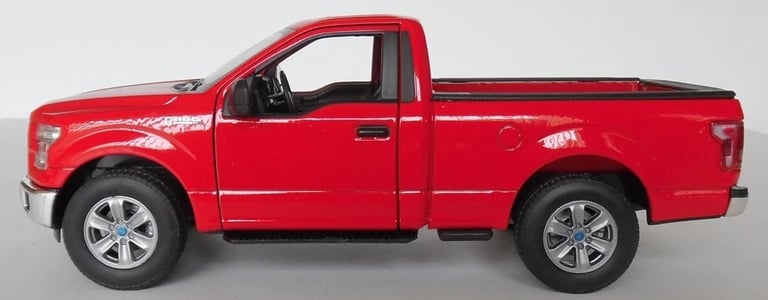
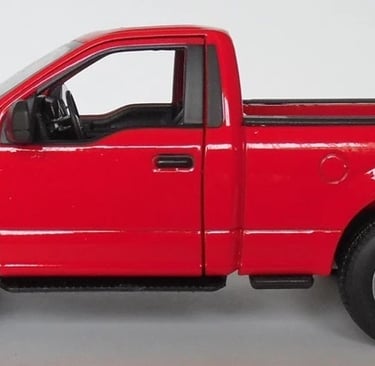
Beginner’s Guide to Collecting Diecast Pickup Trucks
Why Diecast Pickup Trucks Are So Addictive
There’s something special about a diecast pickup truck. They’re tough, practical, and instantly recognizable. Whether it’s an old farm truck, a lifted off‑roader, or a modern daily driver, pickups look great on the shelf and are fun to hunt for.
If you’re just getting into collecting, focusing on pickup trucks is a great way to build a collection that feels personal and organized instead of random.
Choosing Your Scale: Size Matters
Before you go all‑in, decide what size (scale) you want to focus on. The most common ones:
· 1:64 scale
· Small (Hot Wheels / Matchbox size), usually around 7–8 cm long.
· Cheap, easy to find, and you can store hundreds in a small space.
· Great if you love hunting in stores and customizing.
· 1:43 scale
· A bit larger, with more visible detail.
· Nice “desk display” size and still easy to store.
· Good middle ground if you want detail without huge models.
· 1:24 and 1:18 scale
· Bigger and more detailed, with opening doors, hoods, and interiors.
· Perfect for display cases but take up more space.
· Better if you’d rather have a smaller number of premium pieces.
You don’t have to stick to one scale, but choosing a main scale helps your collection feel consistent and easier to display.
What Makes a Diecast Pickup Truck Valuable?
Not every model will be rare or expensive, and that’s okay. But if you care about value, keep an eye on:
· Brand
· Premium brands (like Green Light, M2 Machines, Auto World, higher‑end lines from major brands) usually have better detail and can hold value better.
· Mainline brands are still great for fun, custom work, and filling gaps in your collection.
· Limited and special editions
· Short runs, chase pieces, and store exclusives can become very sought after.
· Look for special colors, rubber tires, unique card art, or “limited” markings on the packaging.
· Condition
· Carded / boxed: Collectors care about clean, flat cards and undamaged blisters/boxes.
· Loose: Still fine to collect, just keep paint chips and bent parts to a minimum.
· Details and realism
· Accurate headlights, grills, tailgates, and wheel choices make a model more desirable, even if it never becomes “rare.”
How to Store and Display Your Pickup Collection
Part of the fun is showing off your trucks.
· For carded models (still in packaging):
· Use wall-mounted display racks or hanging strips.
· Keep them away from direct sunlight to avoid fading and yellowing.
· For loose models:
· Acrylic display cases, shelves, or wall-mounted cabinets work great.
· Small risers or tiered stands help you see more trucks at once.
· General tips:
· Avoid humid places like basements if possible.
· Dust regularly; dust can slowly scratch surfaces over time.
· Group pickups by theme (brand, year, color, or type) so your collection tells a story.
Where to Find Diecast Pickup Trucks
Hunting is half the fun.
· Retail stores
· Supermarkets, toy stores, and big-box stores often stock basic lines.
· Best for quick hunts and impulse buys.
· Online marketplaces
· Great for filling specific gaps in your collection or finding older pieces.
· Always check seller photos and ratings and compare prices before buying.
· Hobby shops and diecast specialty stores
· Often carry premium brands and limited runs.
· Staff may be collectors themselves and can give good tips.
· Swap meets, flea markets, and collector shows
· Perfect for bargains, older models, and trading doubles.
· Bring cash, a small list of what you’re looking for, and be ready to dig.
Building a Theme: Give Your Collection a Focus
A focused collection is more satisfying and easier to grow. Some ideas:
· By era: 1950s farm trucks, 1970s workhorses, 1990s compact pickups, modern full-size beasts.
· By brand: Ford vs Chevy vs Dodge vs Toyota vs Nissan, etc.
· By purpose: Work trucks, off-road builds, tow trucks, fire/rescue pickups, racing support vehicles.
· By look: Only lifted trucks, only slammed/low pickups, only utility-style trucks, or only certain body styles.
You can still buy anything you like, but having a theme helps you decide what’s a “must-have” and what you can skip.
Getting Started Without Overspending
It’s easy to go crazy at first, so keep it fun and sustainable:
1. Set a simple monthly budget and stick to it.
2. Decide on your main scale and 1–2 themes (for example: “1:64 lifted off-road pickups” or “1:24 classic American trucks”).
3. Keep a small wish list so you’re hunting with a plan, not just buying everything you see.
4. Don’t worry if you miss a release—there’s always another cool truck coming.
Final Thoughts
Collecting diecast pickup trucks is about more than price guides and rare pieces. It’s about the memories they bring up—your first truck, a family vehicle, or a dream off‑roader you might never own in real life. Start with what you like, build slowly, and let your collection grow into something that reflects your personality.
https://www.diecastkars.com
